
Quick Answer
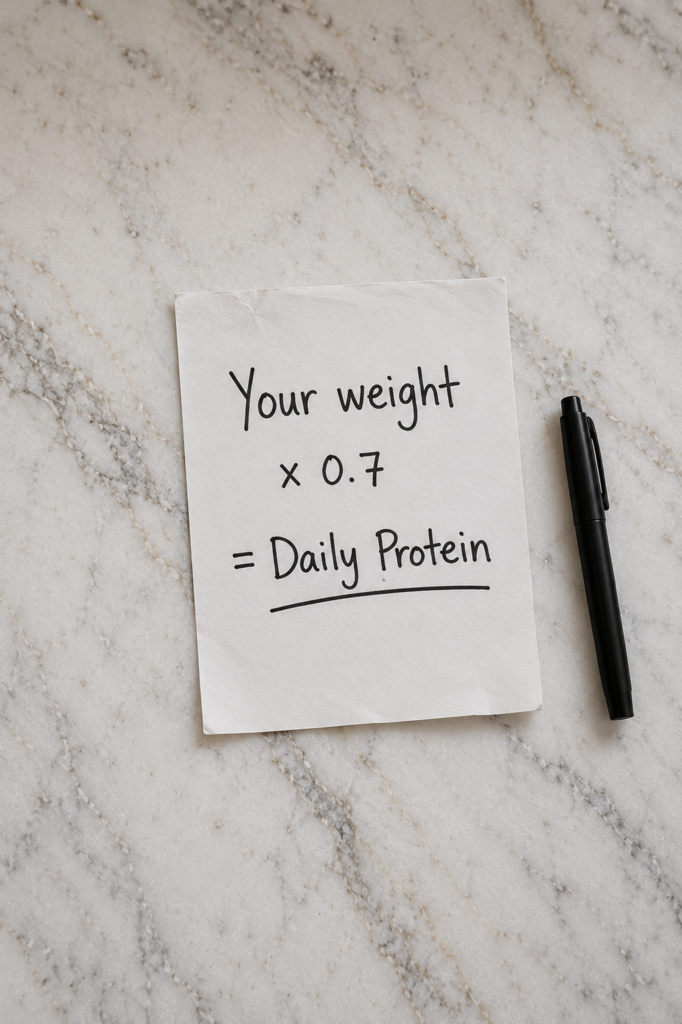
Most women need 0.7–1g of protein per pound of bodyweight daily to lose weight effectively. For a 150lb woman, that’s 105–150g of protein per day — significantly more than the average woman actually eats. If you’re not losing weight despite eating less, low protein is usually the reason.
Why Most Women Don’t Eat Enough Protein
Nobody told you how much protein you actually need.
The standard advice — “eat less, move more” — completely ignores protein. So most women cut calories, lose some weight initially, then plateau, feel exhausted, and wonder what they’re doing wrong.
What they’re usually doing wrong is eating 50–60g of protein per day when their body needs 100g+.
Protein is the one macronutrient that actively helps your body burn fat while preserving the muscle underneath. Without enough of it, you lose weight — but a significant portion of that weight is muscle, not fat. That’s why you can eat less and still not look the way you want to.
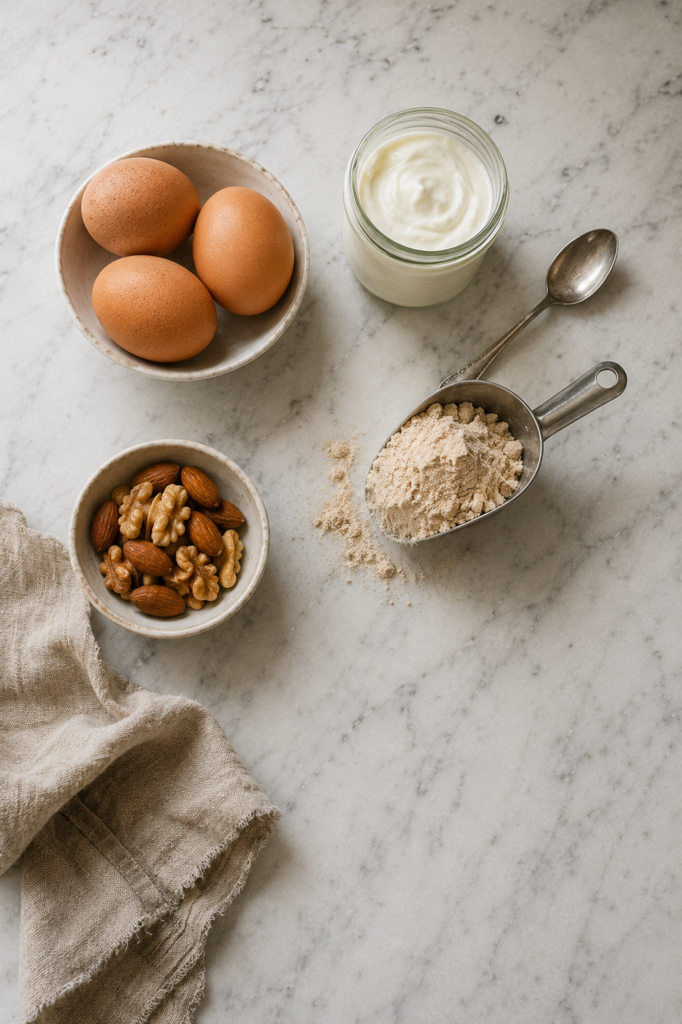
What Protein Actually Does For Weight Loss
Keeps you full longer
Protein takes more time to digest than carbs or fat. A high protein breakfast at 7am can keep hunger away until noon. A low protein breakfast leaves you hungry by 9am and reaching for whatever’s closest.
Burns more calories digesting
Your body uses 20–30% of protein’s calories just to digest it. Eat 100g of protein and your body burns roughly 25g worth of calories processing it. No other macronutrient comes close.
Preserves muscle while losing fat
When you’re in a calorie deficit, your body looks for fuel. Without enough protein, it breaks down muscle alongside fat. More muscle = higher metabolism = more calories burned at rest. Protecting muscle is how you keep weight off long term.
Reduces cravings
High protein meals reduce ghrelin, the hunger hormone. Less hunger means fewer cravings, fewer snacking decisions, fewer moments where willpower has to override biology.
How To Calculate Your Protein Target
The formula is simple:
Your bodyweight in pounds × 0.7 = minimum daily protein in grams
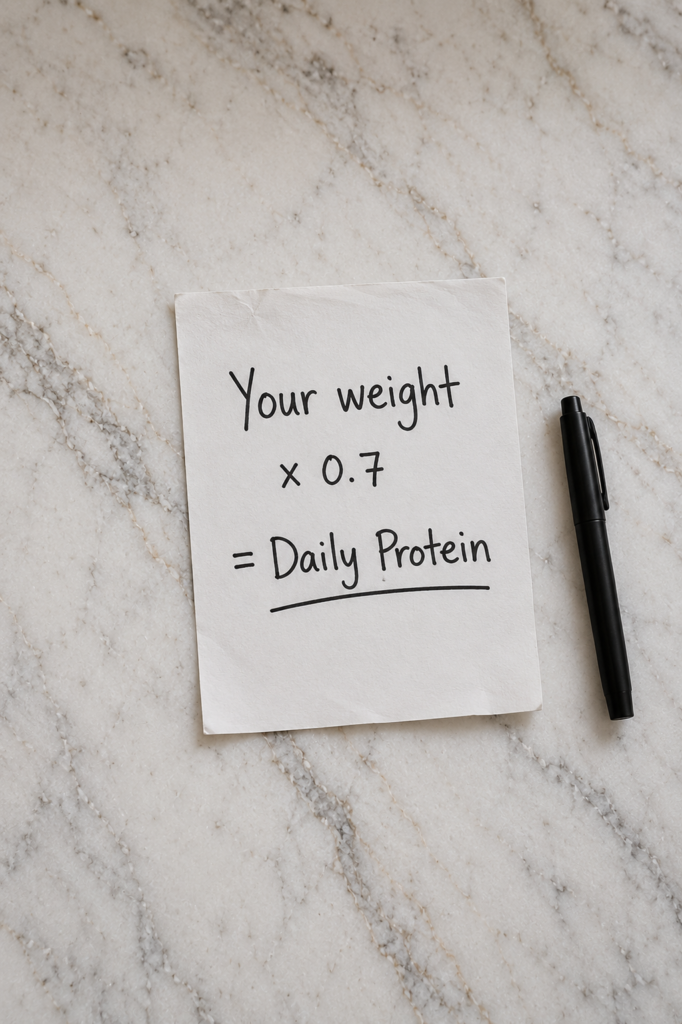
Examples:
| Weight | Minimum Protein | Optimal Protein |
|---|---|---|
| 130 lbs | 91g | 130g |
| 150 lbs | 105g | 150g |
| 170 lbs | 119g | 170g |
| 190 lbs | 133g | 190g |
Start with the 0.7 number. If you’re currently eating 50g per day, jumping straight to 150g is unrealistic. Add 20–30g per week and let your body adjust.
High Protein Foods To Eat Every Day
You don’t need expensive supplements to hit your protein target. These are the most practical, accessible high protein foods:
| Food | Serving | Protein |
|---|---|---|
| Greek yogurt | 1 cup | 17–20g |
| Eggs | 3 eggs | 18g |
| Cottage cheese | ½ cup | 14g |
| Protein powder | 1 scoop | 20–25g |
| Canned tuna | 1 can | 25g |
| Black beans | ½ cup | 7g |
| Almonds | ¼ cup | 7g |
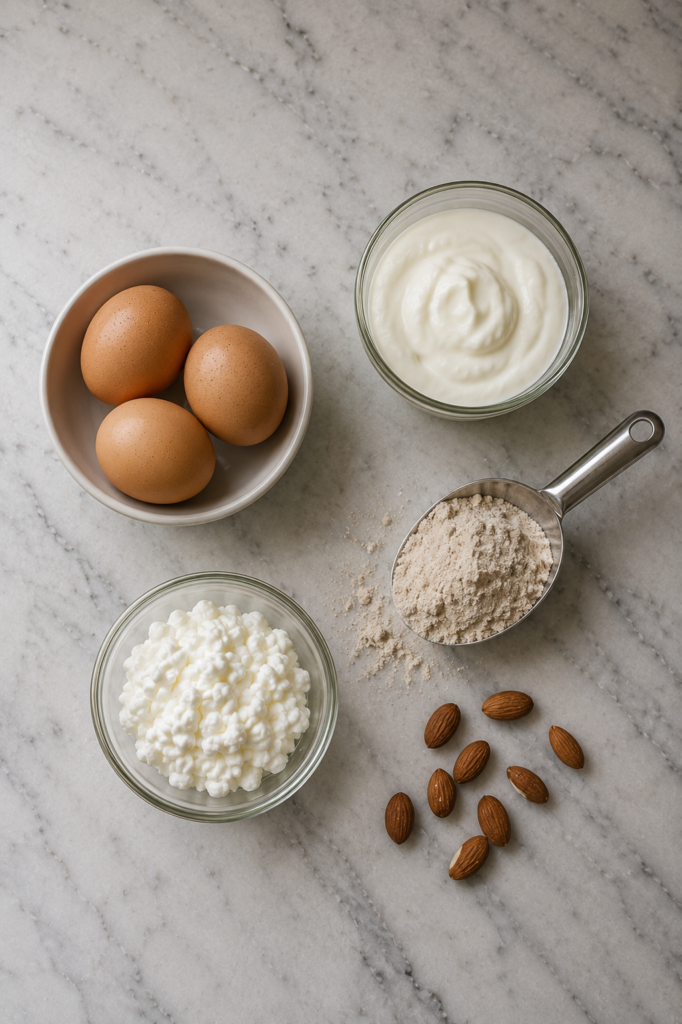
The easiest way to hit your target — anchor every meal around a protein source first, then build the rest of the meal around it.
Sample High Protein Day — 130g+
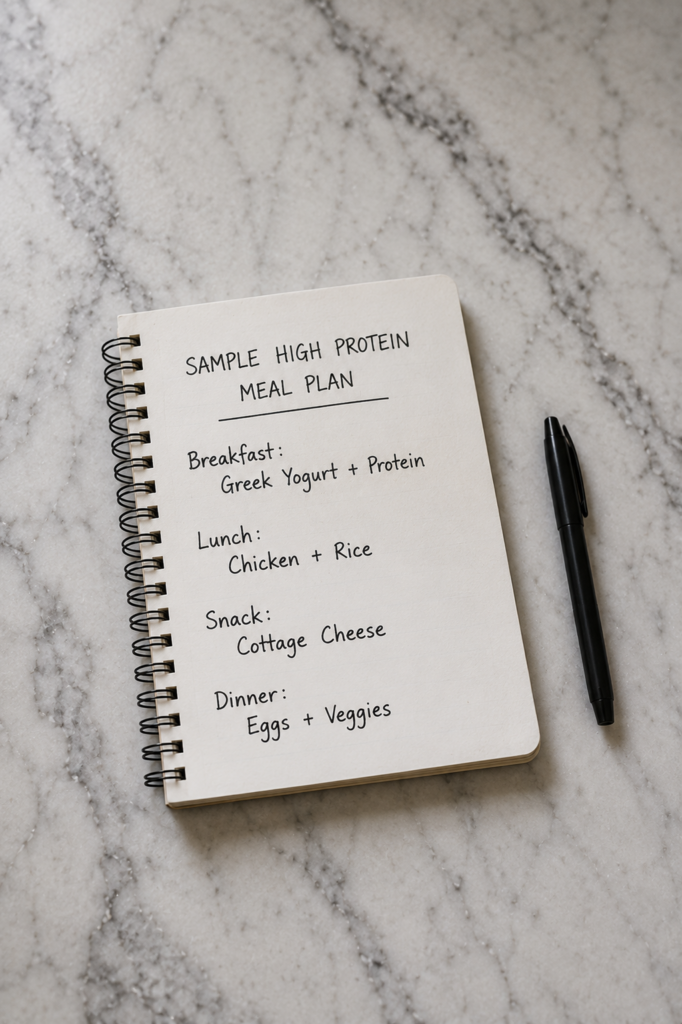
Breakfast — 30g
- High Protein Overnight Oats or Chocolate Chia Pudding — both hit 28–30g before you leave the house.
Lunch — 30g
- High Protein Burrito Bowl — prepped Sunday, ready in 90 seconds. 30g protein per bowl.
Snack — 20g
- Greek Yogurt Bowl — 2 minutes, 20g protein, tastes like dessert.
Dinner — 30g
- Eggs + veggies or cottage cheese bowl. Simple, fast, high protein.
Total: 110–130g protein without trying hard.
Common Protein Mistakes Women Make
Eating protein only at dinner — Spreading protein across all meals keeps hunger controlled all day. Front-load your day — high protein breakfast is the single most impactful change most women can make.
Relying on protein bars — Most protein bars have 10–15g protein and 25g+ sugar. They’re candy bars with a protein label. Use real food first, bars only when nothing else is available.
Avoiding eggs — The cholesterol fear around eggs is outdated. 3 eggs give you 18g of complete protein, healthy fats, and more micronutrients than almost any other single food. Eat the eggs.
Not counting dairy — Greek yogurt, cottage cheese, and milk are significant protein sources that most women undercount. A cup of Greek yogurt at breakfast is already 20g — that’s a head start most people don’t realize they have.
Thinking protein powder is only for bodybuilders — Protein powder is just a convenient food that happens to be high in protein. Adding one scoop to your morning smoothie or chia pudding is the easiest way to add 25g of protein to your day with zero extra effort.
FAQ
Can eating too much protein be bad for you?
For healthy women with no pre-existing kidney conditions, high protein intake is safe. The research consistently shows that 1g per pound of bodyweight is well within safe limits. The “protein damages kidneys” concern applies to people with existing kidney disease — not healthy women trying to lose weight.
Do I need protein powder or can I get enough from food?
You can absolutely get enough from food alone — eggs, Greek yogurt, cottage cheese, legumes, meat. Protein powder just makes it easier and faster. If you’re consistently hitting your target from food, you don’t need it. If you’re struggling to hit 100g+ from food alone, one scoop per day closes the gap quickly.
Does protein timing matter — should I eat it right after working out?
The “anabolic window” — the idea that you must eat protein within 30 minutes of working out — is largely overstated. Total daily protein intake matters far more than timing. Hit your daily target consistently and the timing details become irrelevant.
Will eating more protein make me bulky?
No. Getting “bulky” requires years of progressive weight training, caloric surplus, and specific hormonal conditions. Eating more protein while in a calorie deficit causes fat loss, not muscle gain. More protein while dieting means you lose fat and keep muscle — which means you look leaner, not bigger.
What if I’m vegetarian or vegan?
Hitting high protein targets on a plant-based diet is harder but absolutely possible. Focus on: Greek yogurt and cottage cheese if you eat dairy, eggs if you eat them, legumes (lentils, black beans, chickpeas), tofu and tempeh, and plant-based protein powder. Soy protein is the most complete plant protein — closest to animal protein in amino acid profile.
Related Recipes
Everything in this sample meal plan is already on the site:
Conclusion
The formula isn’t complicated. Eat your bodyweight in pounds × 0.7 grams of protein every day. Spread it across meals. Anchor every meal around a protein source. Do that consistently for 4–6 weeks and the difference in how you feel — and how you look — will be obvious.
Most women aren’t failing because of lack of discipline. They’re failing because nobody told them how much protein they actually need. Now you know.